Niacin (Vitamin B3): Benefits, Flushing and Safety
Niacin, also called vitamin B3, is an essential vitamin that helps the body turn food into energy and keeps the nervous system working normally. It is found in many foods and in many supplements, including brain formulas. Here is what it does, how much you need and how to avoid problems.
Check the label and the order summary at checkout before you buy.
Disclosure: this site contains affiliate links. If you buy through them we may earn a commission at no extra cost to you. This content is general information, not medical advice. Talk to your doctor before starting any supplement, especially if you take blood pressure, heart, erectile dysfunction, blood-thinning or cholesterol medication, or are pregnant or nursing.
What niacin does
Niacin is converted into NAD, a molecule used in hundreds of chemical reactions, including making energy from food. The NIH Office of Dietary Supplements notes that severe deficiency (pellagra) causes skin problems, digestive symptoms and mental changes such as confusion and memory loss. Deficiency is rare in the US because niacin is in meat, poultry, fish, nuts, legumes and fortified grains.
How much you need
| Group | Recommended daily amount |
|---|---|
| Adult men | 16 mg NE |
| Adult women | 14 mg NE |
| Upper limit from supplements (adults) | 35 mg |
The niacin flush
Taking niacin (nicotinic acid) as a supplement can cause flushing: redness, warmth, itching or tingling of the face, arms and chest. It is usually harmless and fades, and it is the reason the upper limit is set where it is. Very high doses, like those once used for cholesterol, can cause stomach upset and liver problems and should only be taken under medical supervision.
Does niacin help memory?
Niacin supports normal nervous system function, and correcting a deficiency matters. There is no strong evidence that extra niacin improves memory in people who already get enough.
Who should be careful
- People with liver disease, stomach ulcers, gout or diabetes
- Anyone taking cholesterol medicine (statins) or blood pressure medicine
- Pregnant or nursing women
Niacin in brain supplements
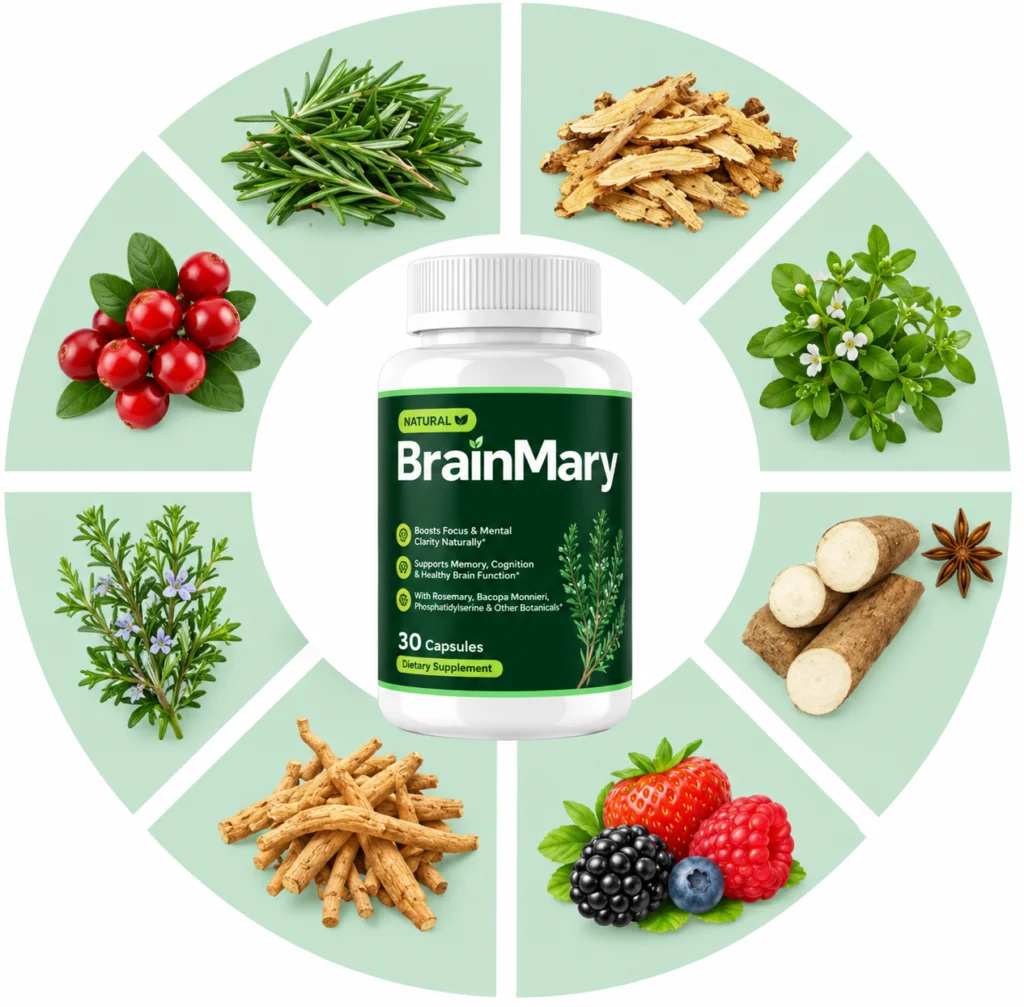
BrainMary's official materials list niacin alongside L-arginine, L-citrulline and beta-alanine, and its official page mentions warm skin flushing as a possible early effect. Check the label for the exact amount and read our BrainMary review before you buy.
BrainMary
- Capsules, 30 per bottle; caffeine-free
- L-Arginine, L-Citrulline, Beta-Alanine and Niacin (vitamin B3), per the official materials
- Made in the USA in an FDA-registered, GMP-certified facility, per the maker
- 60-day money-back guarantee
About $49 per bottle in the 6-bottle pack ($294 total, July 2026 checkout price)
See the BrainMary offerCurrent price, packages and guaranteeCheck the label and the order summary at checkout before you buy.
Frequently asked questions
Is niacin good for the brain?
Niacin supports normal nervous system function, and severe deficiency causes confusion and memory problems. Extra niacin has not been shown to boost memory in people who get enough.
Is the niacin flush dangerous?
It is usually harmless and fades on its own, but talk to your doctor if it is severe or if you take medication.
How much niacin is too much?
For adults, the upper limit from supplements and fortified foods is 35 mg a day unless a doctor advises more.
Sources
- NIH Office of Dietary Supplements: Niacin fact sheet for consumers
- NIH Office of Dietary Supplements: Niacin fact sheet for health professionals