Fish Oil and Memory: What the 2026 USC Trial Found
In June 2026, researchers at Keck Medicine of USC reported a two-year trial of high-dose DHA, the main omega-3 in fish oil, in older adults at higher risk for Alzheimer's disease. The omega-3 did reach the brain, but people taking it did no better on memory tests than people taking a placebo. Here is a plain-language summary.
Check the label and the order summary at checkout before you buy.
Disclosure: this site contains affiliate links. If you buy through them we may earn a commission at no extra cost to you. This content is general information, not medical advice. Talk to your doctor before starting any supplement, especially if you take blood pressure, heart, erectile dysfunction, blood-thinning or cholesterol medication, or are pregnant or nursing.
What the researchers did
The randomized, double-blind, placebo-controlled trial, led by Dr. Hussein Yassine and published in eBioMedicine, enrolled 365 adults aged 55 to 80 who rarely ate fish and were judged at elevated risk for Alzheimer's. About 47% carried the APOE4 gene variant. For two years, half took a daily supplement with 2,000 mg of DHA and half took a placebo.
What they measured
| Measure | Result |
|---|---|
| DHA in cerebrospinal fluid after 6 months | Rose by about 17% on average |
| Memory and thinking tests after 2 years | No better than placebo |
| Shrinkage of the hippocampus on MRI | Not slowed |
What the study does NOT mean
- It does not mean eating fish is useless. The trial tested a supplement, not diet, and lifestyle was outside the scope of the study.
- It does not test other ingredients. It says nothing direct about other memory supplements.
- It does not mean omega-3s are unsafe. The finding is about lack of benefit for memory.
What experts say
Dr. Yassine said the results do not support fish oil supplements as a way to prevent Alzheimer's, and pointed to a healthy lifestyle, including exercise, quality sleep and a balanced diet, as the best approach. His team is now studying why the omega-3 reached the brain without helping. The authors suggest omega-3s may work better as part of a Mediterranean-style diet, which this study did not test.
The bigger lesson for memory supplements
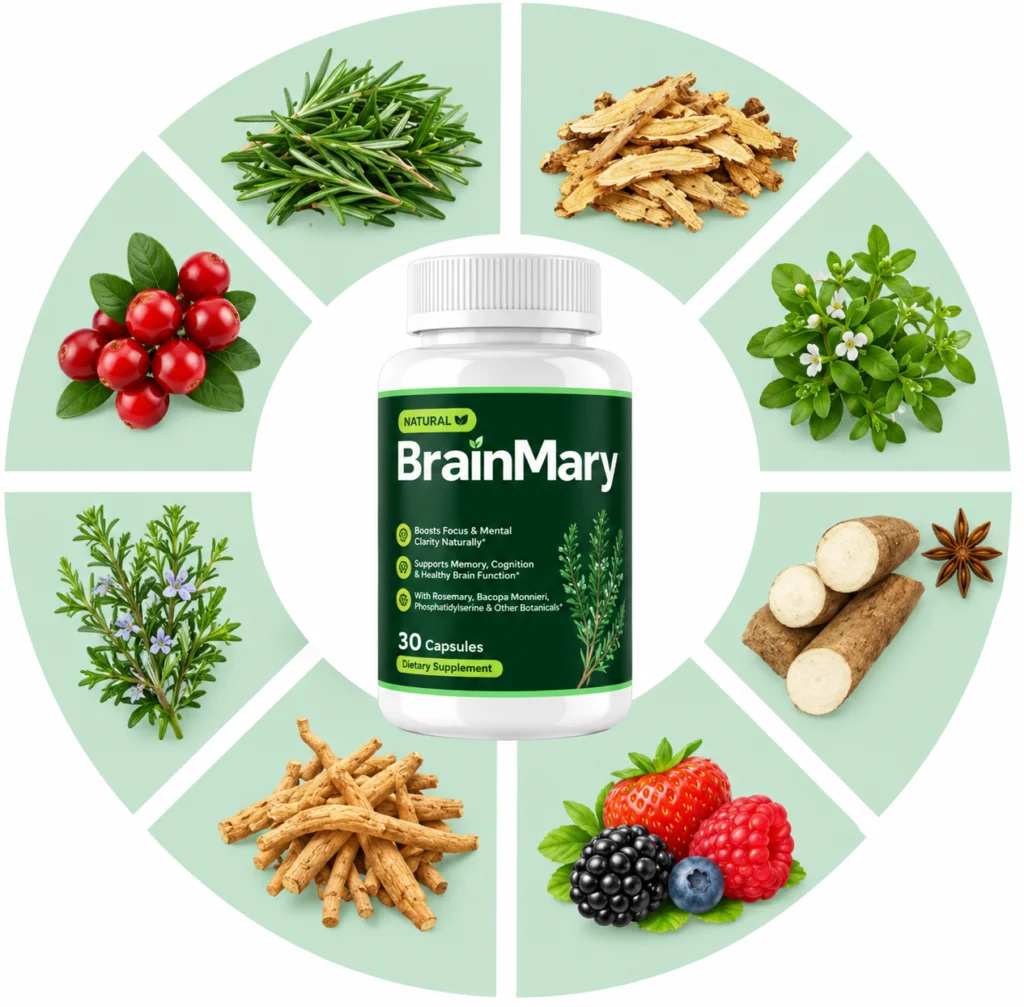
Getting a nutrient into the body, or even into the brain, is not the same as improving memory. That is also the NIH's message: no supplement has been proven to prevent or treat dementia. If you are thinking about a brain supplement such as BrainMary, read the ingredient research honestly, check the guarantee, and keep the proven habits first. Our BrainMary review covers its ingredients, price and refund policy.
BrainMary
- Capsules, 30 per bottle; caffeine-free
- L-Arginine, L-Citrulline, Beta-Alanine and Niacin (vitamin B3), per the official materials
- Made in the USA in an FDA-registered, GMP-certified facility, per the maker
- 60-day money-back guarantee
About $49 per bottle in the 6-bottle pack ($294 total, July 2026 checkout price)
See the BrainMary offerCurrent price, packages and guaranteeThe takeaway
This well-designed trial adds to evidence that omega-3 pills alone do not protect memory in older adults at risk. The steps with the strongest support remain regular exercise, good sleep, managing blood pressure and blood sugar, staying social and getting memory changes checked by a doctor.
Check the label and the order summary at checkout before you buy.
Frequently asked questions
Does fish oil improve memory?
In the 2026 USC trial, 2,000 mg of DHA a day for two years did not improve memory test scores or slow hippocampal shrinkage compared with placebo in older adults at risk for Alzheimer's.
Did the omega-3 reach the brain?
Yes. DHA in cerebrospinal fluid rose by about 17% after six months, but that did not translate into better memory.
Should I stop eating fish?
No. The study tested a supplement, not fish in the diet. Ask your doctor before changing any supplement you take.
Sources
- Keck Medicine of USC: Fish oil supplements may not prevent Alzheimer's-related decline
- ScienceDaily (USC): Millions take omega-3 fish oil for brain health but a new study found no benefit
- NCCIH: 7 things to know about dietary supplements for cognitive function, dementia and Alzheimer's